
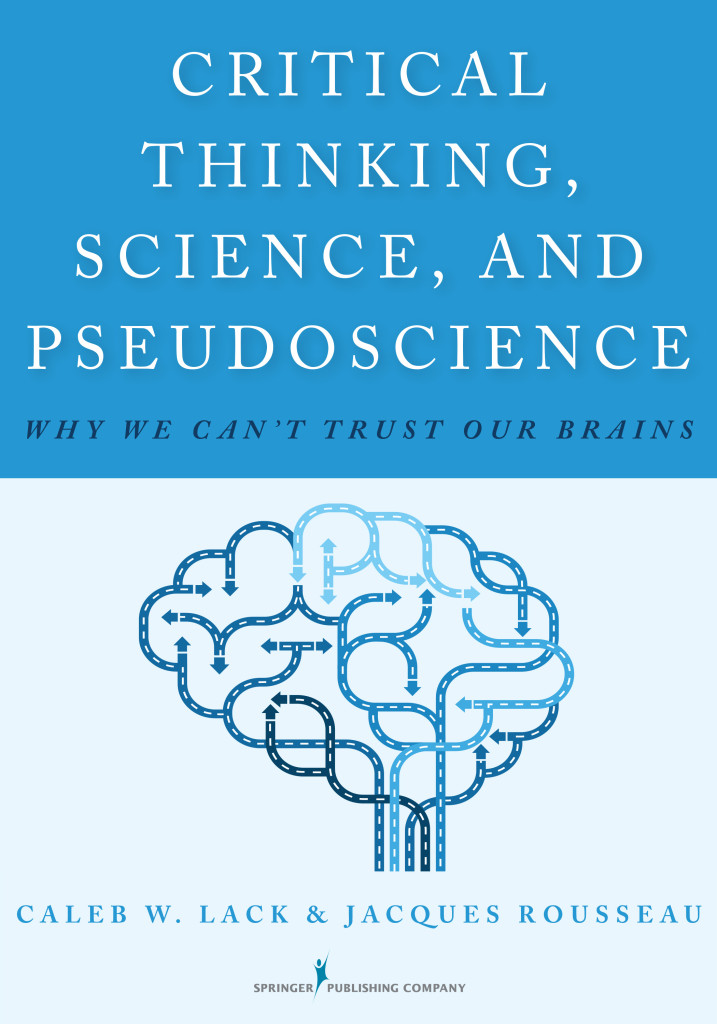
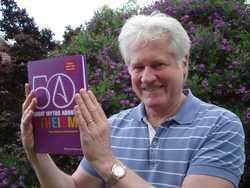
This unique text for undergraduate courses teaches students to apply critical thinking skills across all academic disciplines by examining popular pseudoscientific claims through a multidisciplinary lens. Rather than merely focusing on critical thinking, the text incorporates the perspectives of psychology, biology, physics, medicine, and other disciplines to reinforce different categories of rational explanation. Accessible and engaging, it describes what critical thinking is, why it is important, and how to learn and apply skills that promote it. The text also examines why critical thinking can be difficult to engage in and explores the psychological and social reasons why people are drawn to and find credence in extraordinary claims.
From alien abductions and psychic phenomena to strange creatures and unsupported alternative medical treatments, the text uses examples from a wide range of pseudoscientific fields and brings evidence from diverse disciplines to critically examine erroneous claims. Particularly timely is the text’s examination of how, using the narrative of today’s “culture wars,” religion and culture impact science. The authors focus on how the human brain, rife with natural biases, does not process information in a rational fashion, and the social factors that prevent individuals from gaining an unbiased, critical perspective on information. Authored by a psychologist and a philosopher who have extensive experience teaching and writing on critical thinking and skeptical inquiry, this work will help students to strengthen their skills in reasoning and debate, become intelligent consumers of research, and make well-informed choices as citizens.
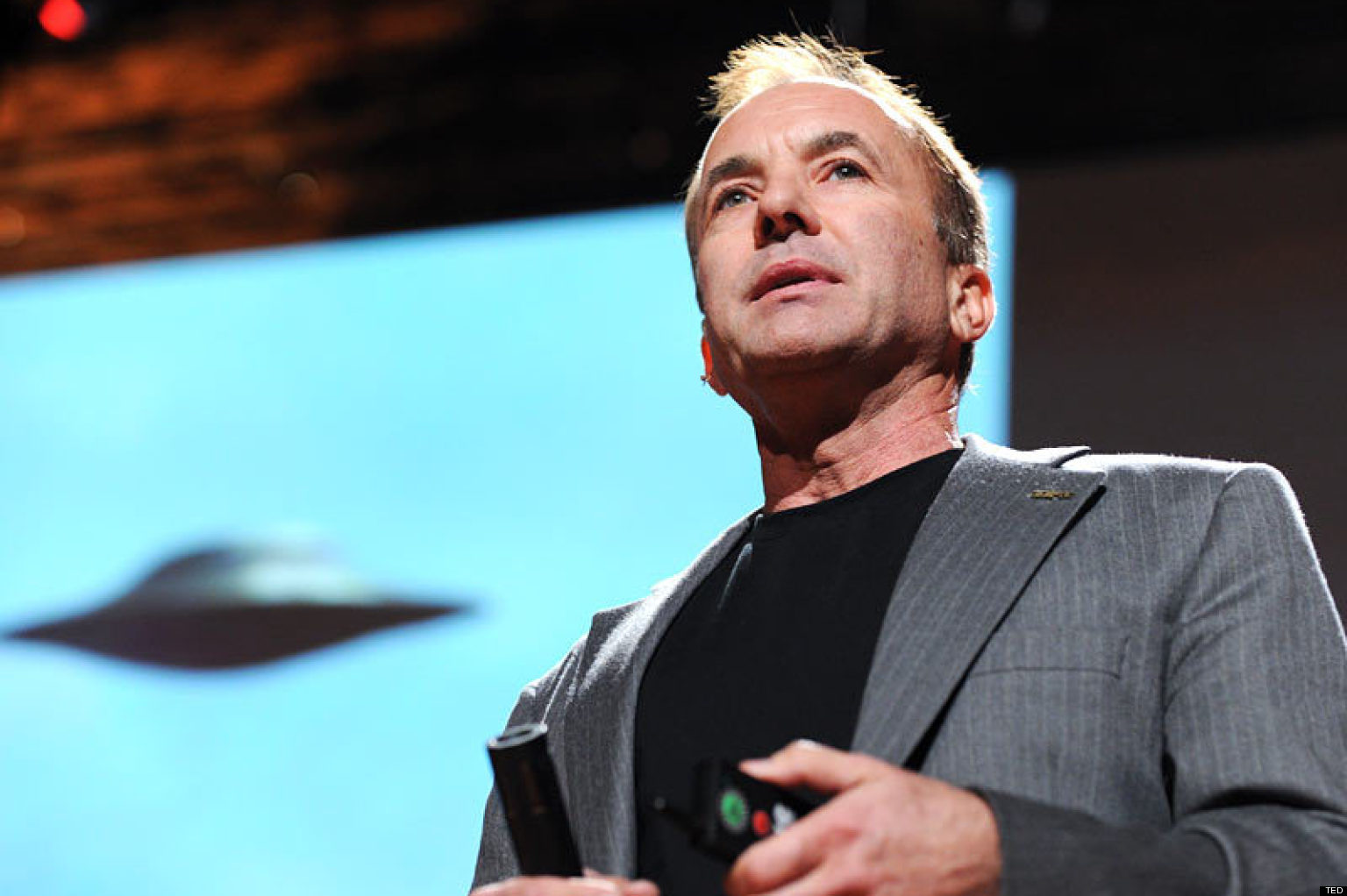 We have gotten some early reviews in, and people certainly seem to like it. For instance, Michael Shermer (Publisher of Skeptic magazine, monthly columnist for Scientific American, and Presidential Fellow at Chapman University) said:
This is the best collection of ideas on critical thinking and skepticism between two covers ever published. Lack and Rousseau have put together the ideal textbook for students who need to learn how to think, which is to say every student in America. I plan to assign the book to my Skepticism 101 course at Chapman University and recommend that every professor teaching critical thinking courses at all colleges and universities do the same. Well written, comprehensive, and engaging. Bravo!
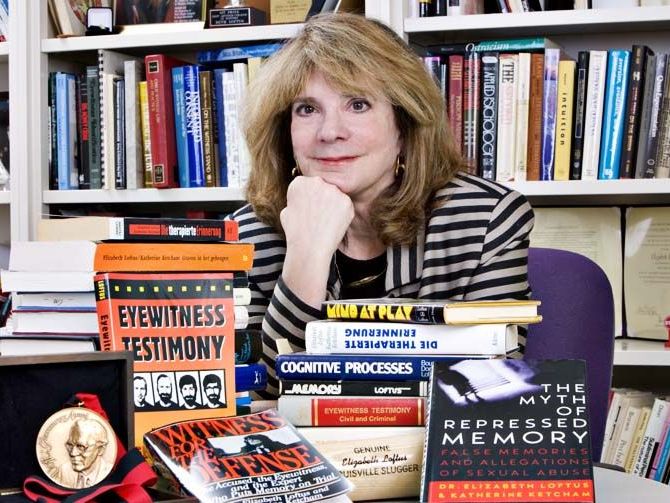 Past president of the Association for Psychological Science, one of the foremost memory researchers in the world, and Distinguished Professor at the University of California – Irvine Elizabeth Loftus wrote:
What’s wrong with believing in pseudoscientific claims and why do so many people do it? Lack & Rousseau take us on a fascinating excursion into these questions and convincingly show us how junk science harms our wallets and our health. Importantly, they teach us tips for spotting true claims and false ones, good arguments and bad ones. They raise awareness about our “mental furniture” – a valuable contribution to any reader who cares about truth.
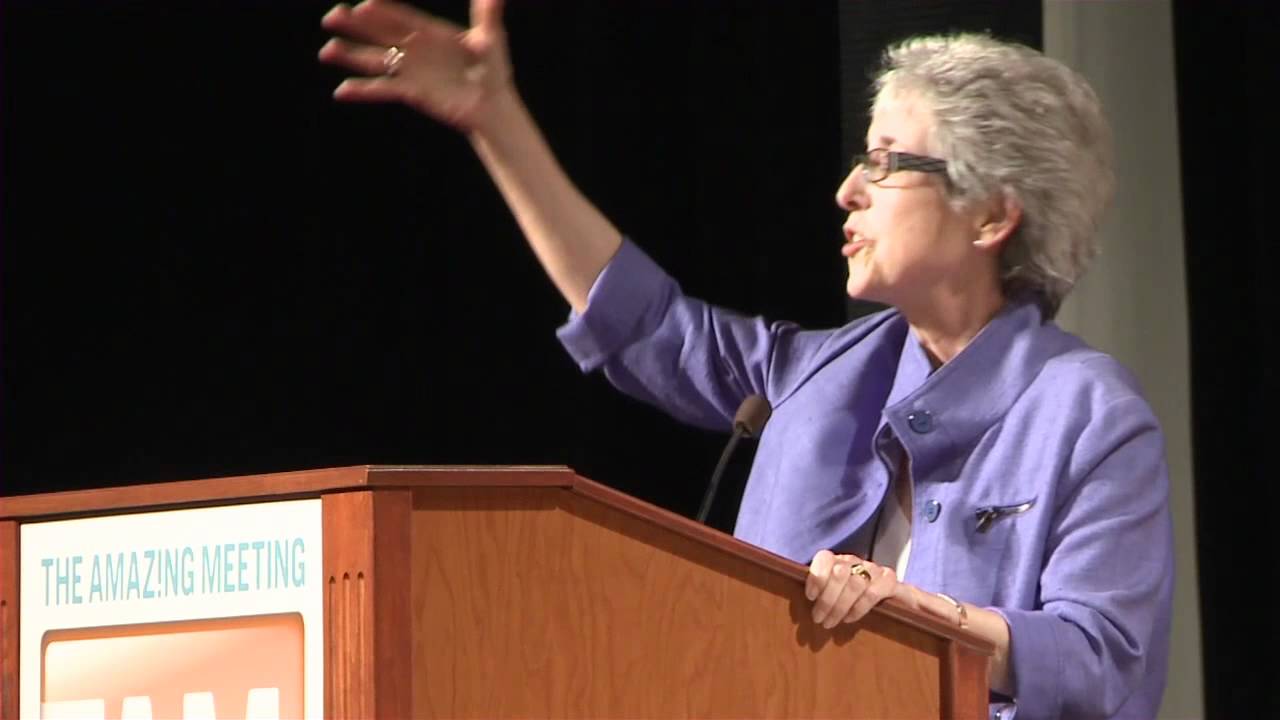 Carol Tavris is a social psychologist, Fellow of the American Psychological Association, the Association for Psychological Science and the Committee for Skeptical Inquiry. She is the coauthor of the wildly popular (and highly influential on me) textbook Psychology and trade book Mistakes Were Made (But Not By Me). After reading our book she wrote that:
Teachers and students will find this comprehensive, well-written textbook to be a helpful resource that illuminates the principles and applications of critical thinking–a skill that is crucial in our world of bombast, hype, and misinformation.
 Finally, we have Russell Blackford, noted author (most recently of The Mystery of Moral Authority and Humanity Enhanced) and philosopher. He’s a Conjoint Lecturer in the School of Humanities and Social Science at the University of Newcastle, a Fellow of the Institute for Ethics and Emerging Technologies, editor-in-chief of The Journal of Evolution and Technology, a regular op.ed. columnist with Free Inquiry, and a Laureate of the International Academy of Humanism.
An entertaining introduction to clear thinking, science, and the lure of pseudoscience. Lack and Rousseau clearly explain the principles of logical reasoning, together with the human tendencies that all-too-often undermine it. They show how easily motivated reasoning can prevail over clarity and logic; better, they offer tools to think more critically, whether in science, policy, or our everyday choices.
